

Institutional Exchange
Connect the programme with education environments, institutional perspectives and opportunities for structured exchange.
BETU works with education organisations and programme teams to shape learning-focused group visits to China around the participants, learning priorities and practical requirements of the project.
Start with what the group should understand, experience or take away. The programme can then be developed around the most relevant learning environments, cultural context and coordination needs.
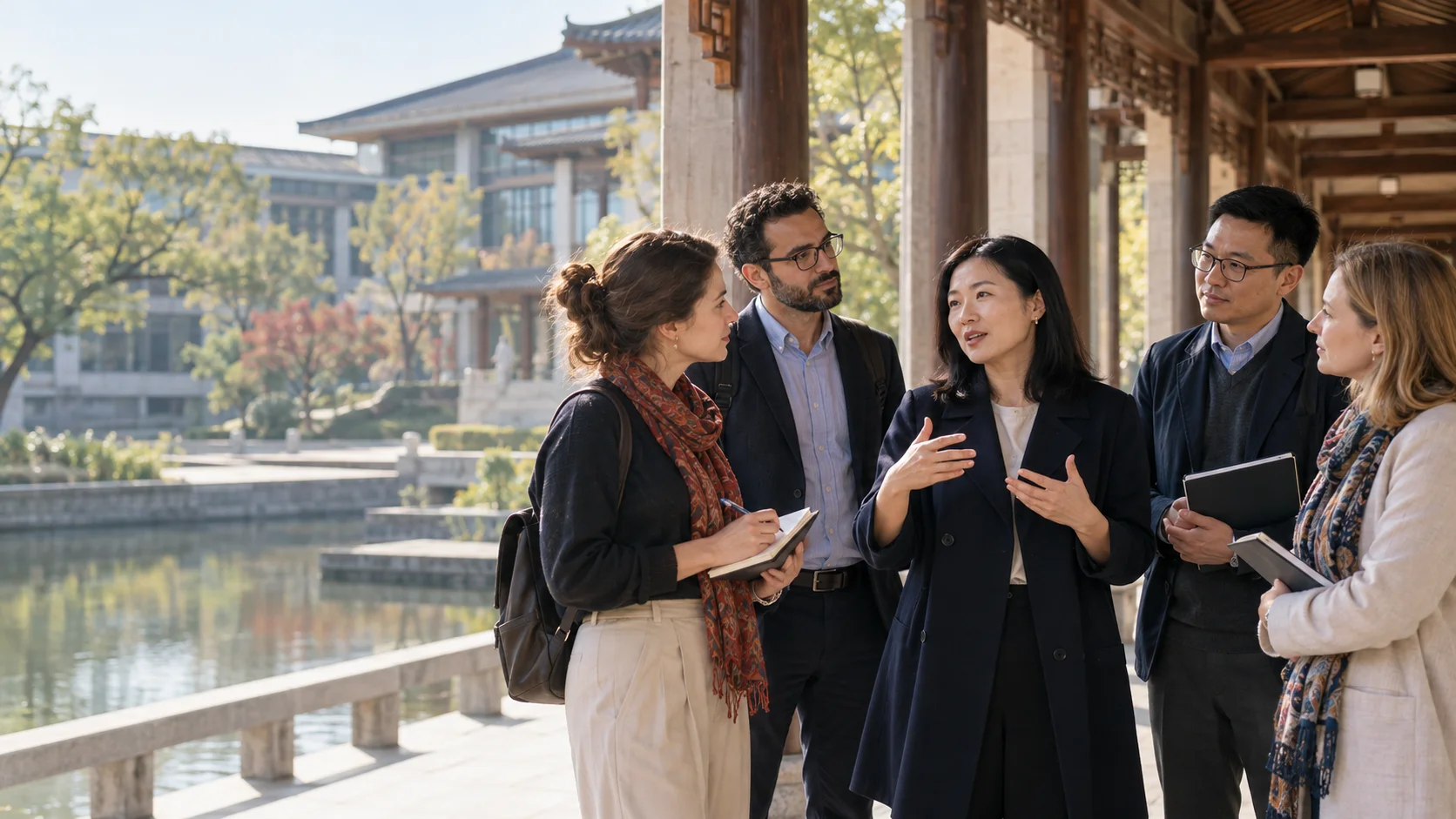
Learning goals guide the selection of settings and activities. A group brief connects those goals with relevant educational, cultural and practical experiences.
Connect the programme with education environments, institutional perspectives and opportunities for structured exchange.
Explore how technology, changing industries and new systems are shaping future learning and careers.
Connect programme themes with applied environments, real-world observation and practical learning contexts.
Understand contemporary China through place, culture, society and the context surrounding the learning theme.
A group programme can bring several forms of learning together. The balance depends on the audience, objective and available programme resources.
Academic, institutional or thematic content connected to the programme objective.
Practical, industry or innovation environments relevant to what the group is exploring.
Cultural, social and place-based understanding that helps participants read the experience more deeply.
Discussion, observation and group learning activities shaped around the programme.
The practical structure that connects the different parts of the group experience.
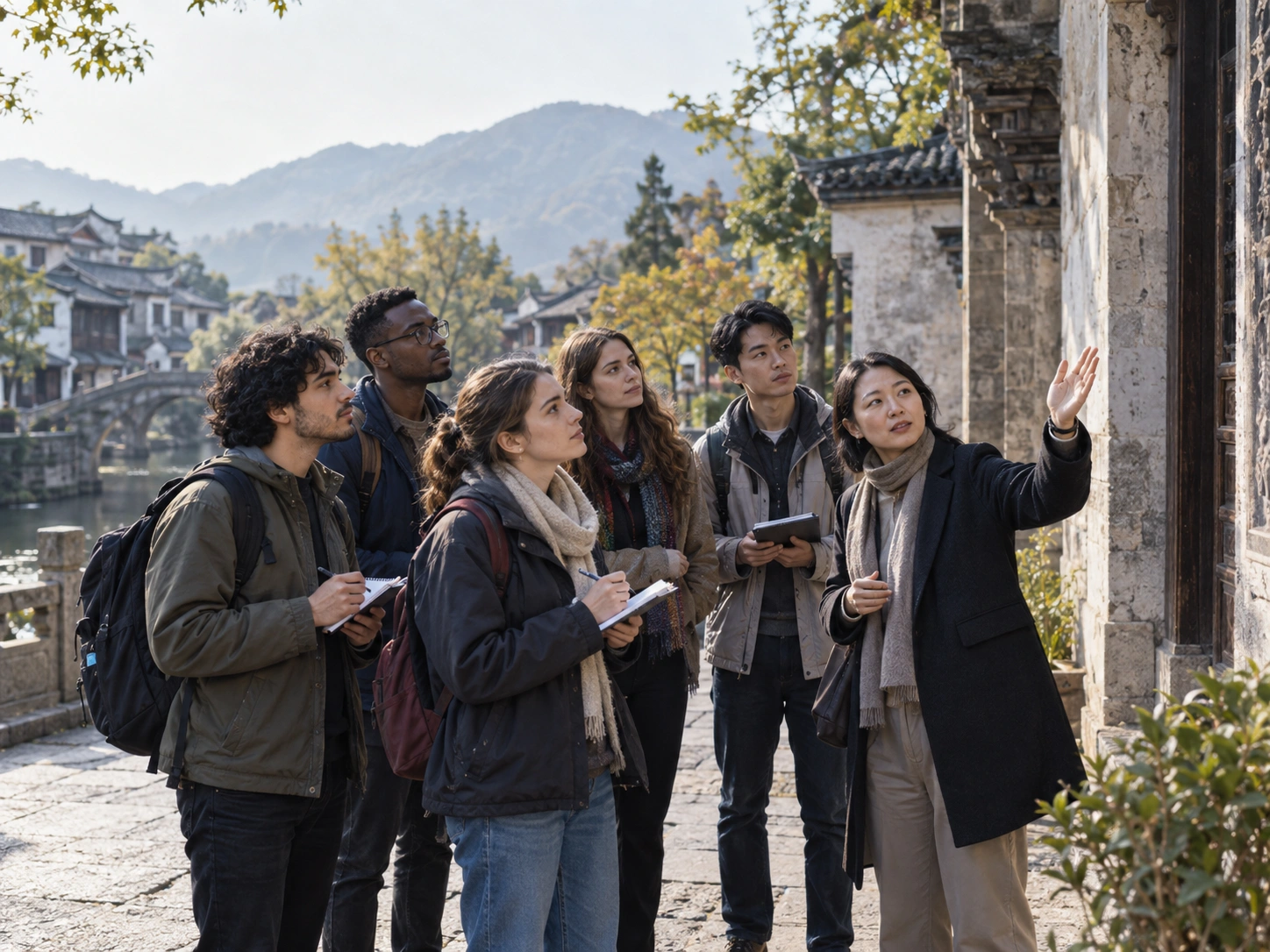

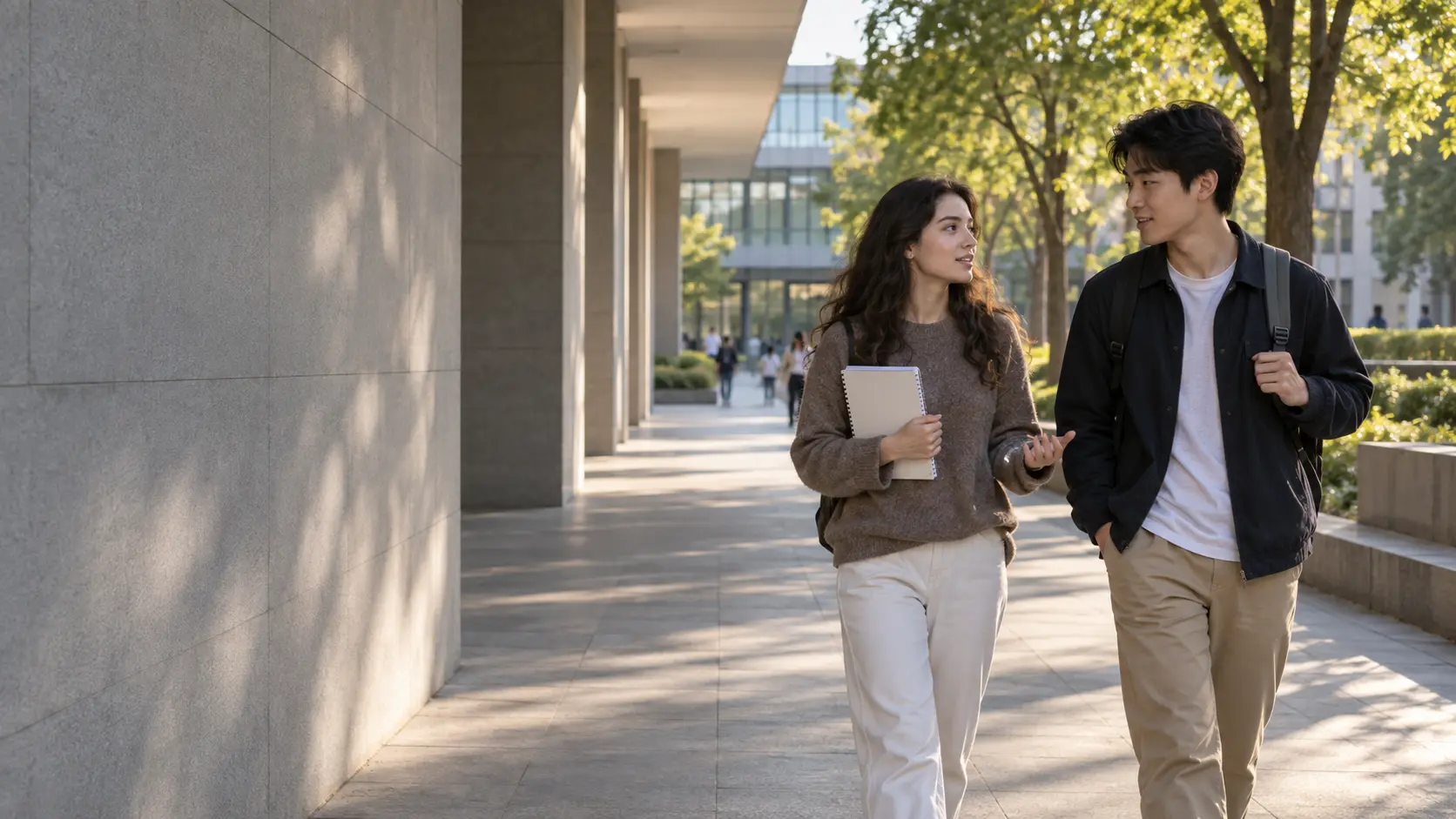
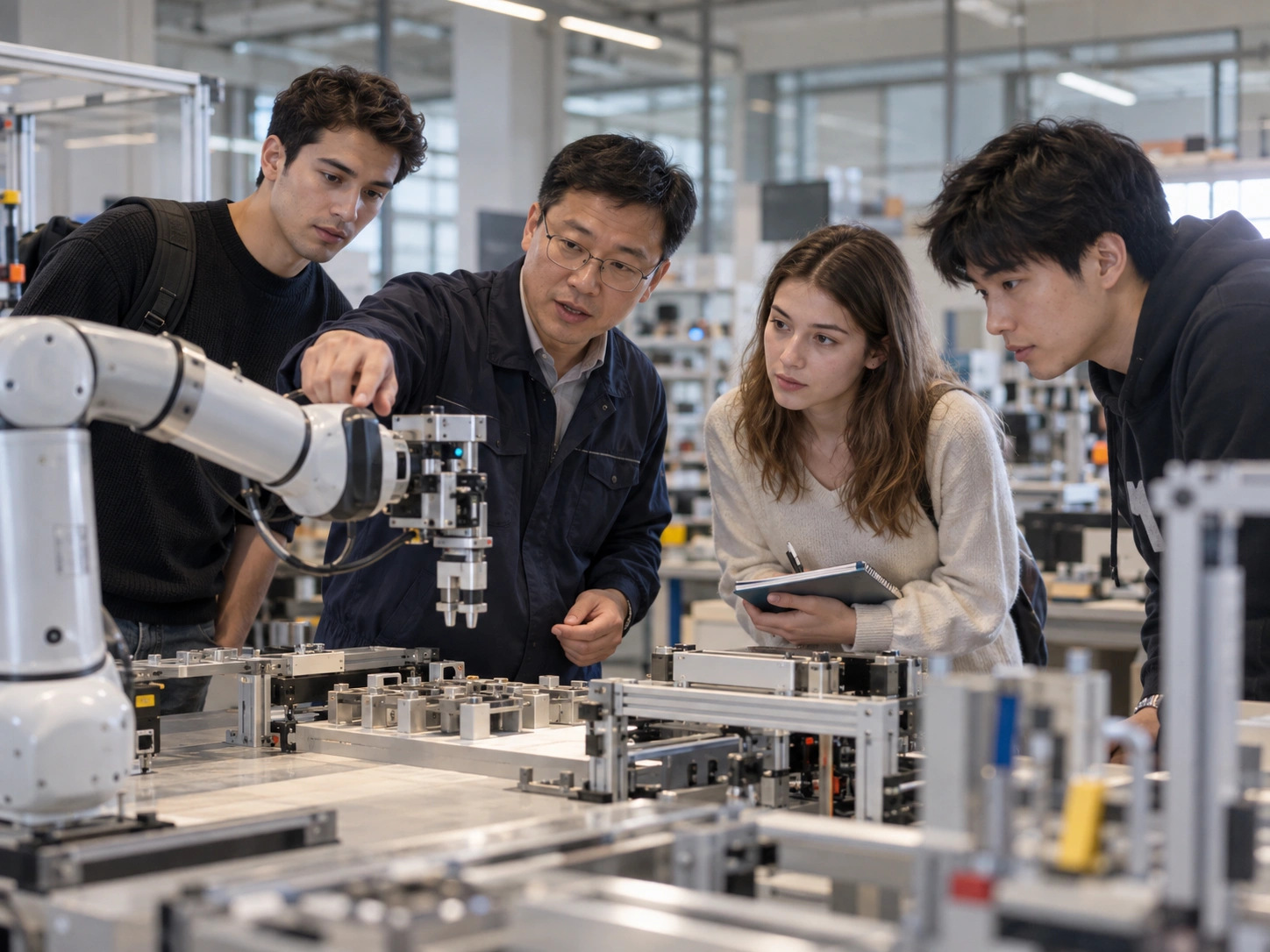
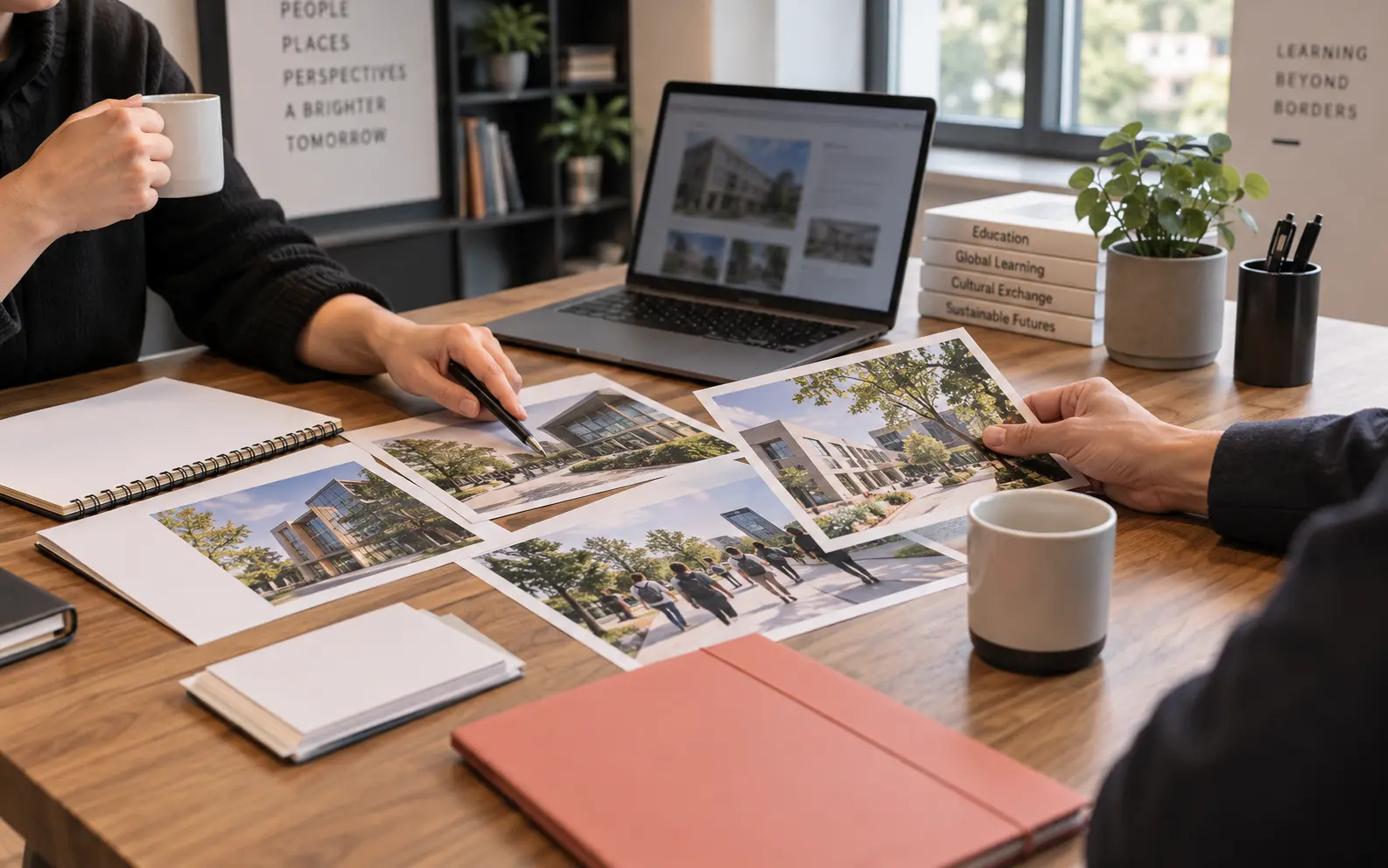

Observation, context and discussion become more valuable when connected to a clear learning purpose.
Some organisations may find an existing BETU Study Tour close to what they need. Others may begin with their own participant group, learning objective and programme priorities.
A student learning journey connecting entrepreneurship, culture, sustainability and global confidence.
Entrepreneurship · Culture · Sustainability · Global Perspective
Explore China Global PathwaysA future-facing learning programme connecting technology exposure with AI, digital economy, engineering systems and career readiness.
AI · Digital Economy · Engineering Systems · Career Readiness
Explore Future Skills Innovation Lab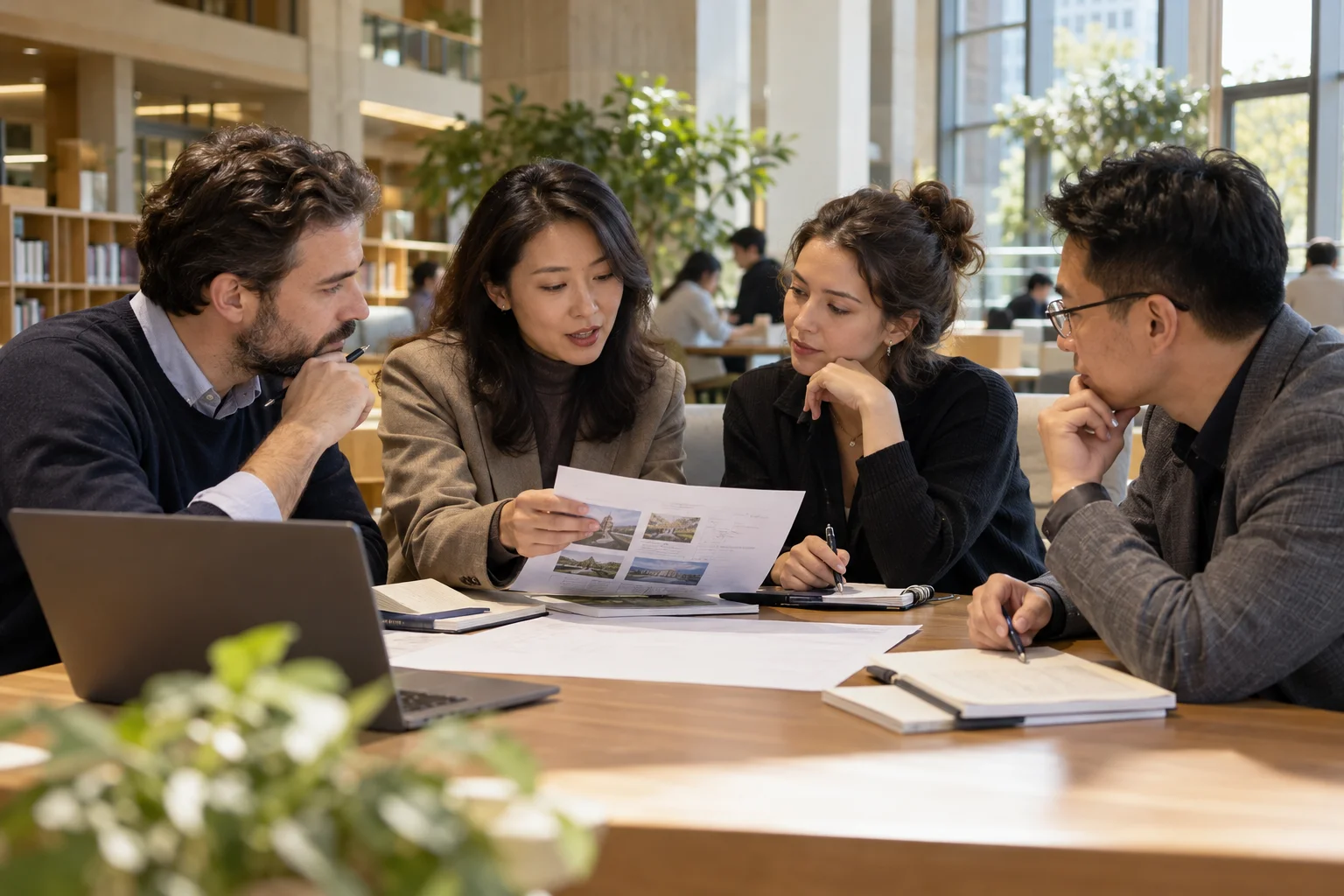
Begin with your own group, learning objective and programme priorities, then explore a structure designed around that institutional brief.
Group Profile · Learning Objective · Programme Design
Explore Custom Study ToursA useful institutional programme needs the learning objective, participant needs, China-side resources and practical responsibilities to work together as one project.
Defines the group context, learning priorities and the resources already available.
Shapes the learning structure and identifies the combination of experiences relevant to the brief.
Brings together the relevant education, practical, cultural and implementation resources for the proposed programme.
Clarifies the practical responsibilities, communication process and programme elements before implementation.
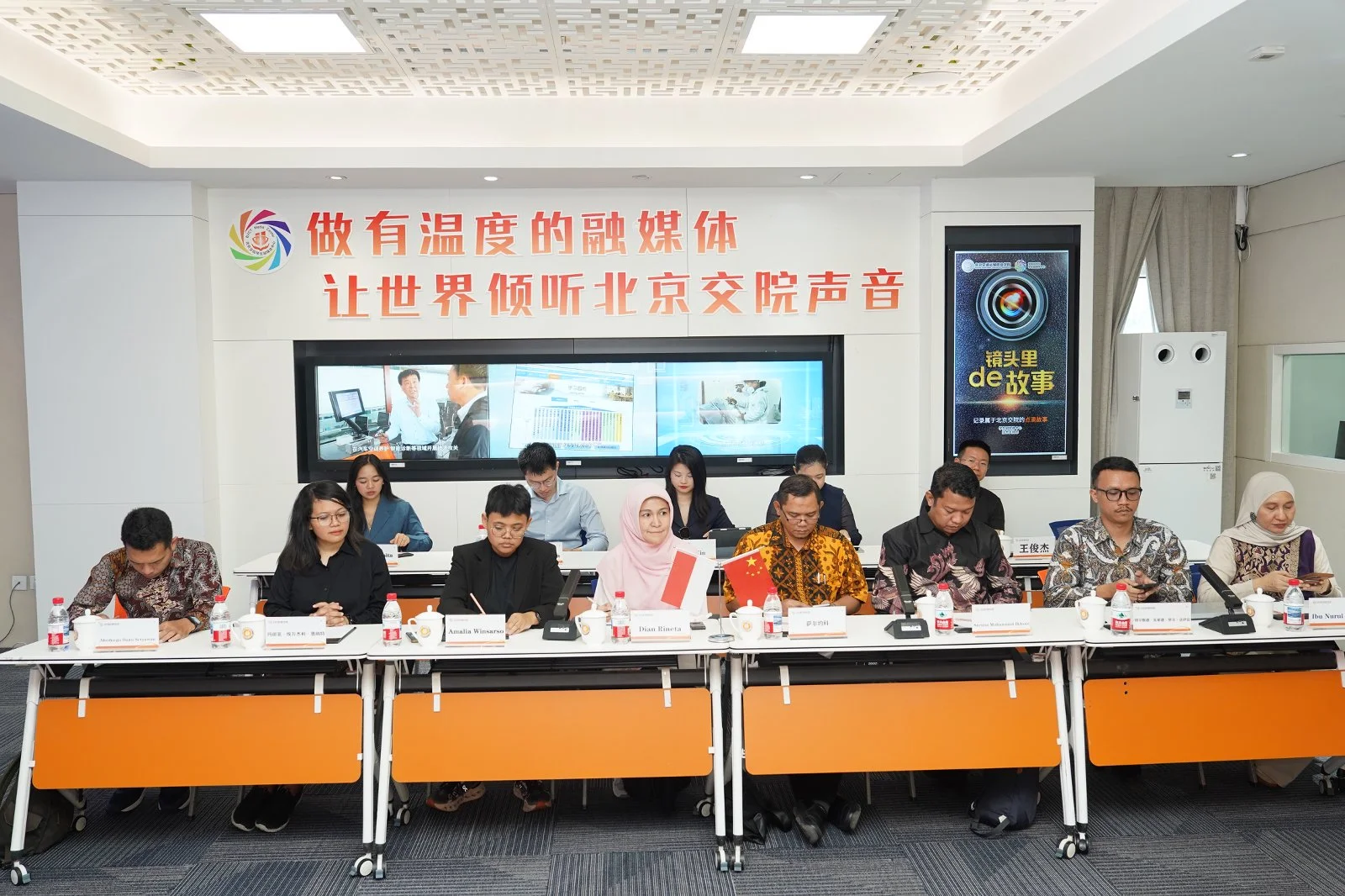
Explore Unknown organised a week-long Indonesian Ministry of Education delegation in China, bringing education and industry visits across three cities into one coordinated programme.
The planning process can begin before every detail is known. The first task is to make the objective and group clear enough to develop a workable programme concept.
Understand the organisation, group and learning objective.
Shape the experience mix around the learning priorities and practical context.
Explore the environments and resources relevant to the proposed programme.
Define the working structure, responsibilities and practical programme requirements.
Implement the agreed programme and use the review to inform what comes next.
You do not need a finished itinerary to begin. Share what your organisation already knows about the group, the learning objective and the programme context.
Discuss a Study Tour PartnershipThe first conversation can clarify the programme direction, the information still needed and the most practical next step.
What type of organisation is planning the programme?
Who are the intended participants and what is their background?
What should participants understand, explore or take away?
What approximate period are you considering?
Are there locations, themes or environments already relevant to the brief?
What approximate group size or project scale are you considering?
Which educational, cultural, innovation or practical themes matter most?
What practical programme needs are already known?
Is one of BETU's current Study Tours already close to what you need?
What would you like BETU to help design, coordinate or explore?

Tell us who the programme is for, what the group should gain from it and what you already know about the timing or priorities.
The first discussion can be used to identify the most relevant starting point, clarify the information still needed and determine what should happen next.
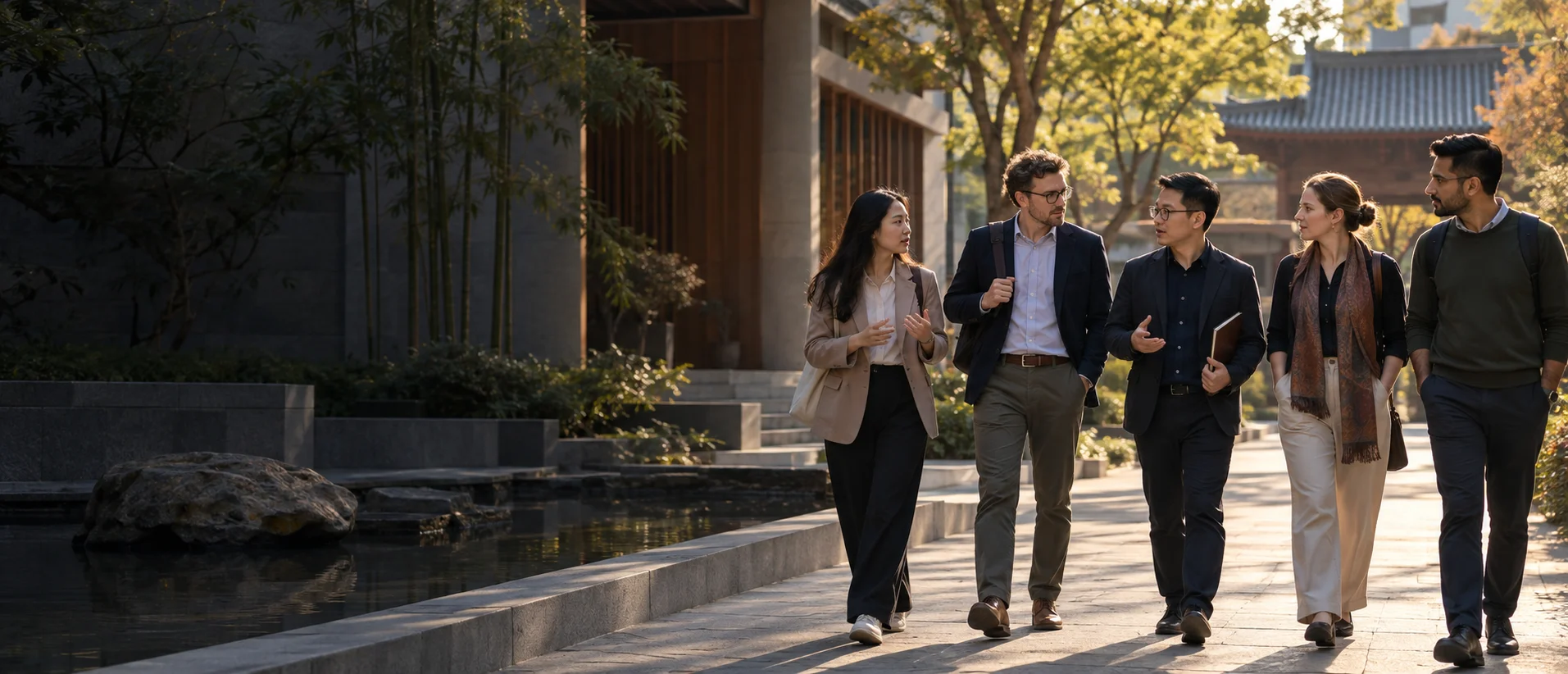
Start with the group, the learning priorities and what you want the programme to make possible.