

Beijing Explore the Unknown

For Organisations

Bring the objective.
Build the right project
around it.

BETU works with educational institutions, public-sector organisations, enterprises and implementation partners on international education, talent-development and structured cooperation projects connected with China.

Start with the outcome your organisation wants to create. The project structure, resources and next steps can then be developed around that objective.

International education professionals developing a project together
Who We Work With

Different organisations.
Different objectives.
One project starts with the need.

BETU can work with organisations entering a project from different starting points. The cooperation model depends on the objective, audience, resources and role of each organisation.

Educational institutions

Universities, colleges, vocational institutions, education groups and training organisations exploring international programmes, student projects, faculty development or practical education cooperation.

Public-sector and education bodies

Education authorities, associations and public-sector stakeholders exploring structured international education, exchange or talent-development projects.

Enterprises and industry organisations

Companies and industry organisations working around training, talent development, practical education or university-enterprise cooperation.

International and implementation partners

Organisations contributing local audiences, resources, project coordination or market implementation to an international cooperation programme.

Cooperation Routes

Choose the route closest
to what you want to build.

Some projects begin with an education programme. Others begin with a visit, a talent objective or a broader project brief.

Education professionals developing an international programme

Education Partnerships

Build education projects across institutions and markets.

Explore international programme development, curriculum cooperation, faculty development, practical training concepts, Study in China recruitment cooperation and other institutional education projects.
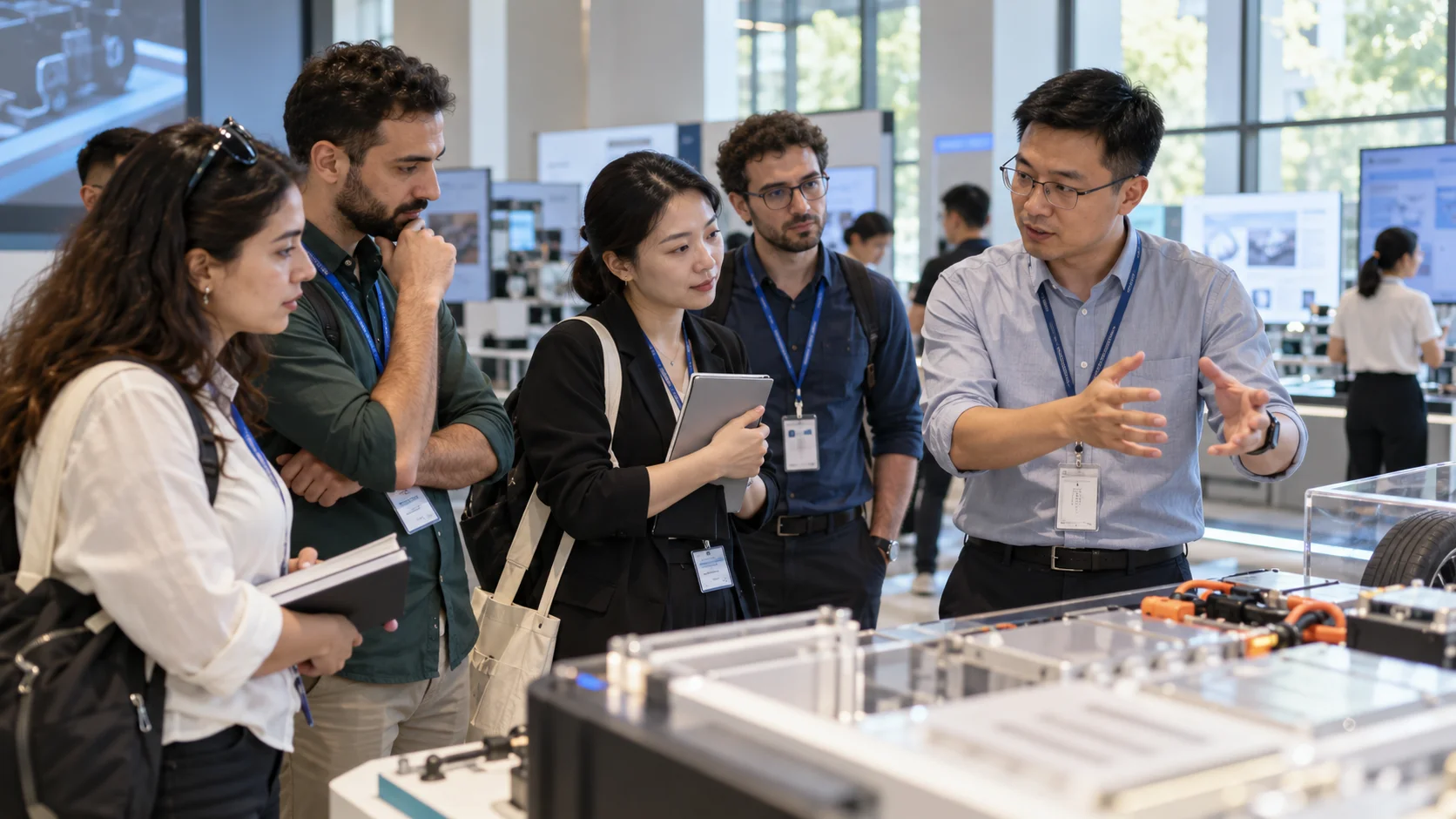
Best starting point for: Universities · Colleges · Vocational institutions · Education groups · Training organisations

Adult international delegation participating in a structured educational visit in China

Study Tour Partnerships

Turn a learning objective into a structured China visit.

Develop an educational visit around the participant profile, learning priorities, preferred locations and practical requirements of the group.

Possible project contexts: Institutional delegations · Educational visits · Themed study programmes · Industry and campus exposure

Talent & Project Cooperation

For projects involving practical training, internships, university-enterprise collaboration, talent development or a broader international education and industry objective, begin with the project brief.

Discuss a Project
Different Starting Points

The same capabilities
can begin from different needs.

Educational institution
International programme · Curriculum · Faculty development · Student cooperation
International university or public-sector body
China education resources · Exchange · Training · Structured cooperation
Enterprise or industry organisation
Talent · Practical training · University-enterprise projects · Industry-linked education
Implementation partner
Local recruitment · Delivery · Coordination · Market or participant resources
How Projects Develop

Move from the first requirement
to a working project structure.

The project framework begins by understanding the objective, then develops the concept, resources, pilot and next stage around the evidence created during delivery.

01

Requirement interview

Understand the organisation, objective, audience, market and problem the project is intended to address.

02

Project diagnosis

Clarify participants, programme needs, resources, delivery constraints and relevant market conditions.

03

Concept design

Shape the education model, cooperation model, programme structure and implementation approach.

04

Resource matching

Identify the institutions, experts, companies, curricula and local resources relevant to the project.

05

Pilot implementation

Where appropriate, begin with a defined first project that can be implemented and reviewed.

06

Review

Assess delivery, participation, feedback and the evidence generated by the project.

07

Next-stage cooperation

Use the first project to define the structure and priorities for the next stage of cooperation.

Project Resources

A project may need
more than one kind of resource.

BETU's role can involve connecting the education, industry, participant and implementation resources relevant to the project's objective.

Educational institutions

Universities, colleges and training organisations.

Curriculum and faculty

Curriculum development and faculty resources.

Student or participant recruitment

Participant groups and recruitment channels.

Industry expertise

Industry knowledge and practical project input.

Practical training

Internships, placements and practical learning.

Talent and internship resources

Talent pipelines and internship opportunities.

Local implementation

Local delivery, coordination and on-the-ground support.

International coordination

Cross-border coordination and project management.
Evidence in Practice

From a brief
to a working programme.

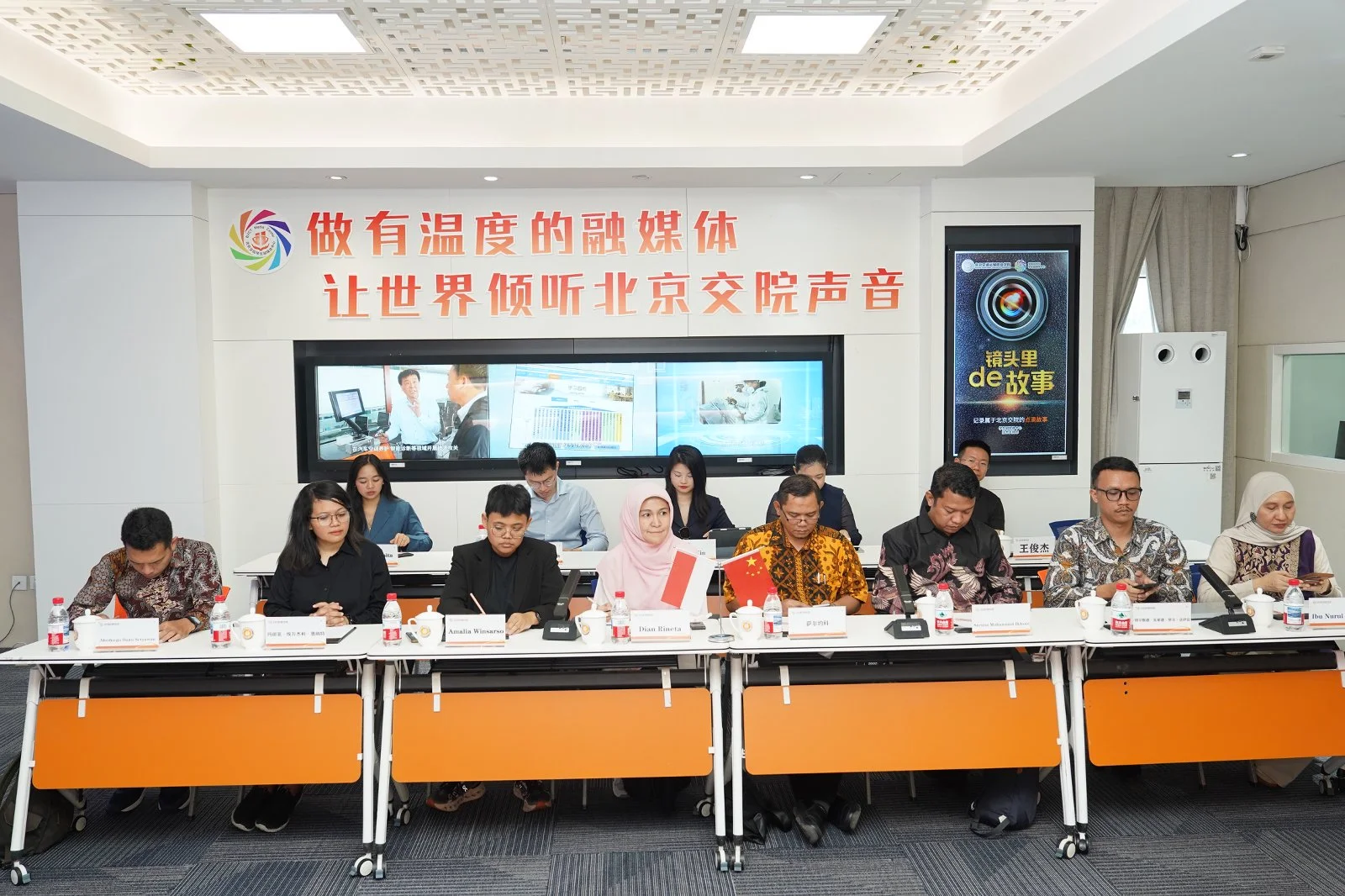
Indonesian education delegation participating in an institutional working session in China

June 2025 Indonesian education delegation in China

Project type
International education delegation
Period
June 2025
Locations
Xi'an · Beijing · Shenzhen
Focus
Education · Industry · Institutional exchange

Explore Unknown organised a week-long Indonesian Ministry of Education delegation in China, bringing education and industry visits across three cities into one coordinated programme.

Your Project Brief

A useful first brief
can fit on one page.

You do not need a completed proposal to begin. Start with what your organisation already knows and the questions that still need to be worked through.

Organisation

What type of organisation are you and what role would you play in the project?

Objective

What would you like the project to achieve?

Audience

Who are the intended students, participants, staff or beneficiaries?

Market or destination

Which country, region or China location is relevant?

Timing

What period, intake or indicative launch window are you considering?

Scale

What approximate participant or project size are you considering?

Resources already available

What partners, facilities, participants or internal capabilities do you already have?

Support required

What would you like BETU to help design, coordinate or connect?

International professionals discussing an organisation project
Start a Project Conversation

Start with the objective.
We can work through
the structure together.

Tell us what your organisation wants to build, who it is for and what stage the idea has reached.

The first discussion can be used to clarify the project route, identify the information still needed and decide what should happen next.

For Organisations FAQ

Practical questions
before a project begins.

What types of organisations can work with BETU?
BETU can discuss projects with educational institutions, education and public-sector bodies, enterprises, industry organisations and implementation partners where the project fits the company's education, talent-development and international cooperation capabilities.
Do we need a complete project proposal before contacting you?
No completed proposal is required for the first discussion. A useful starting brief can cover your organisation, objective, intended audience, market or destination, timing, approximate scale and the support you would like to explore.
Can BETU work with universities and institutions outside China?
BETU's wider project model includes cooperation between Chinese education resources and international institutions, organisations and implementation partners. The exact structure depends on the objective and the resources involved.
Can BETU help design a programme from the beginning?
Project design can begin with requirement clarification and project diagnosis before moving into concept design, resource matching and a practical implementation structure.
How are responsibilities divided between organisations?
Responsibilities are clarified around the actual project. This may include participant communication, programme design, resources, project coordination, payments, delivery responsibilities and follow-up.
Can a project begin with a pilot?
Yes. The company project framework supports beginning with a defined pilot where that is appropriate, then reviewing delivery and feedback before deciding the next stage.
How are study-tour partnerships planned?
The planning discussion begins with the participant profile, learning objective, preferred period, locations and practical needs. Specific visits and activities are then explored around that brief and confirmed according to availability.
Can BETU connect education and industry resources?
BETU's broader project capabilities include education resources, industry expertise, practical training, university-enterprise cooperation and talent-development resources. The relevant combination depends on the project.
How are commercial terms agreed?
Commercial arrangements depend on the project scope, resources, responsibilities and delivery model. The relevant terms should be discussed and documented for the specific cooperation.
What information should we prepare for the first discussion?
Prepare the information you already have about your organisation, objective, audience, target market or destination, timing, approximate scale, available resources and the support you would like BETU to explore.
For Organisations

From an objective
to a workable project.

Bring the starting point. Use the first conversation to clarify the structure, resources and next steps.

Scroll to Top