
01 / The System
See how the parts work together.
Look more closely at how technologies, components and processes combine to perform practical tasks.
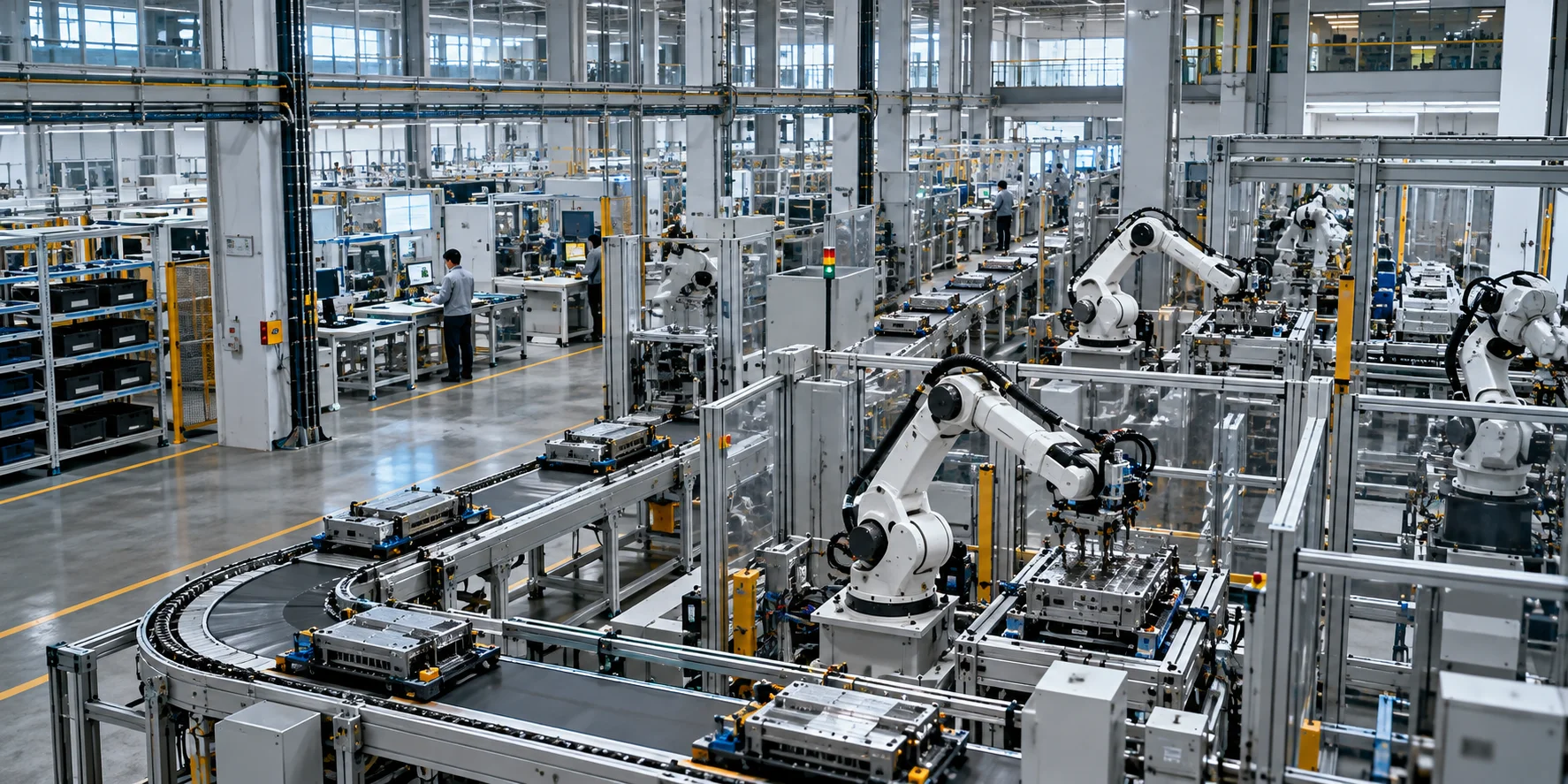
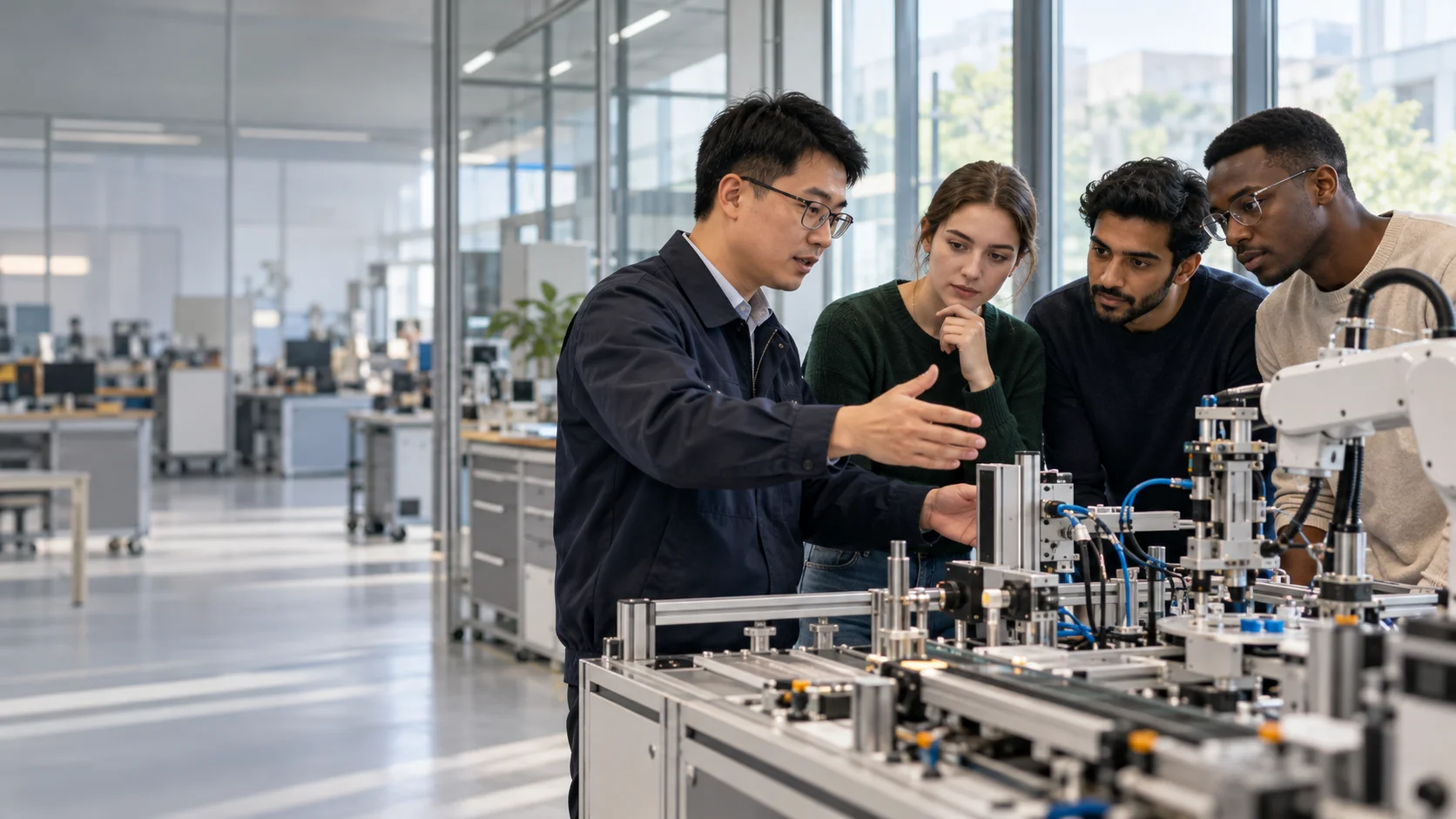
Discover a China-focused learning direction connecting artificial intelligence, digital systems, engineering and the changing world of work through meaningful observation, discussion and real-world perspectives.
Artificial intelligence. Digital systems. Engineering. Future skills.
Artificial intelligence, digital systems and automation are changing how many activities are carried out. Understanding these technologies involves looking beyond the equipment to the people, decisions and skills connected to them.
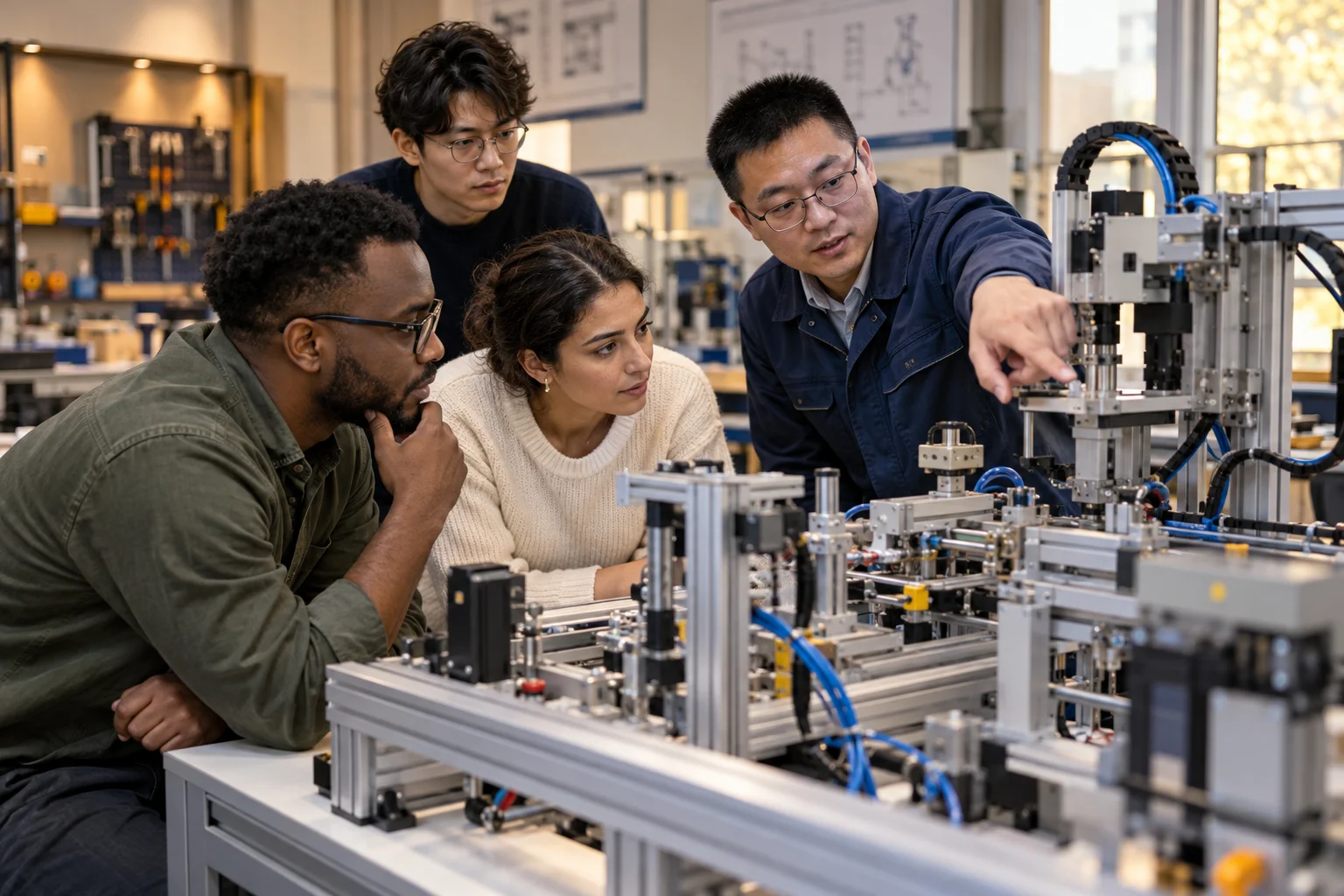
What is the system actually doing?
How does it change the way people work and make decisions?
What knowledge or capabilities might become more relevant?
Different technologies influence how information moves, decisions are made and physical systems operate. Exploring these connections offers a broader perspective on innovation and the capabilities that support it.

Explore how artificial intelligence and data-informed technologies can influence tasks, decisions and the ways organisations approach complex problems.
Consider how digital platforms, connected services and information systems are changing communication, business activity and everyday experiences.
Examine how equipment, automation and integrated engineering systems connect technology with practical operations.
Technology matters most when we understand what it changes.
Technology becomes easier to understand when we consider the systems around it, the people who work with it and the wider environments in which it is used.
Look more closely at how technologies, components and processes combine to perform practical tasks.
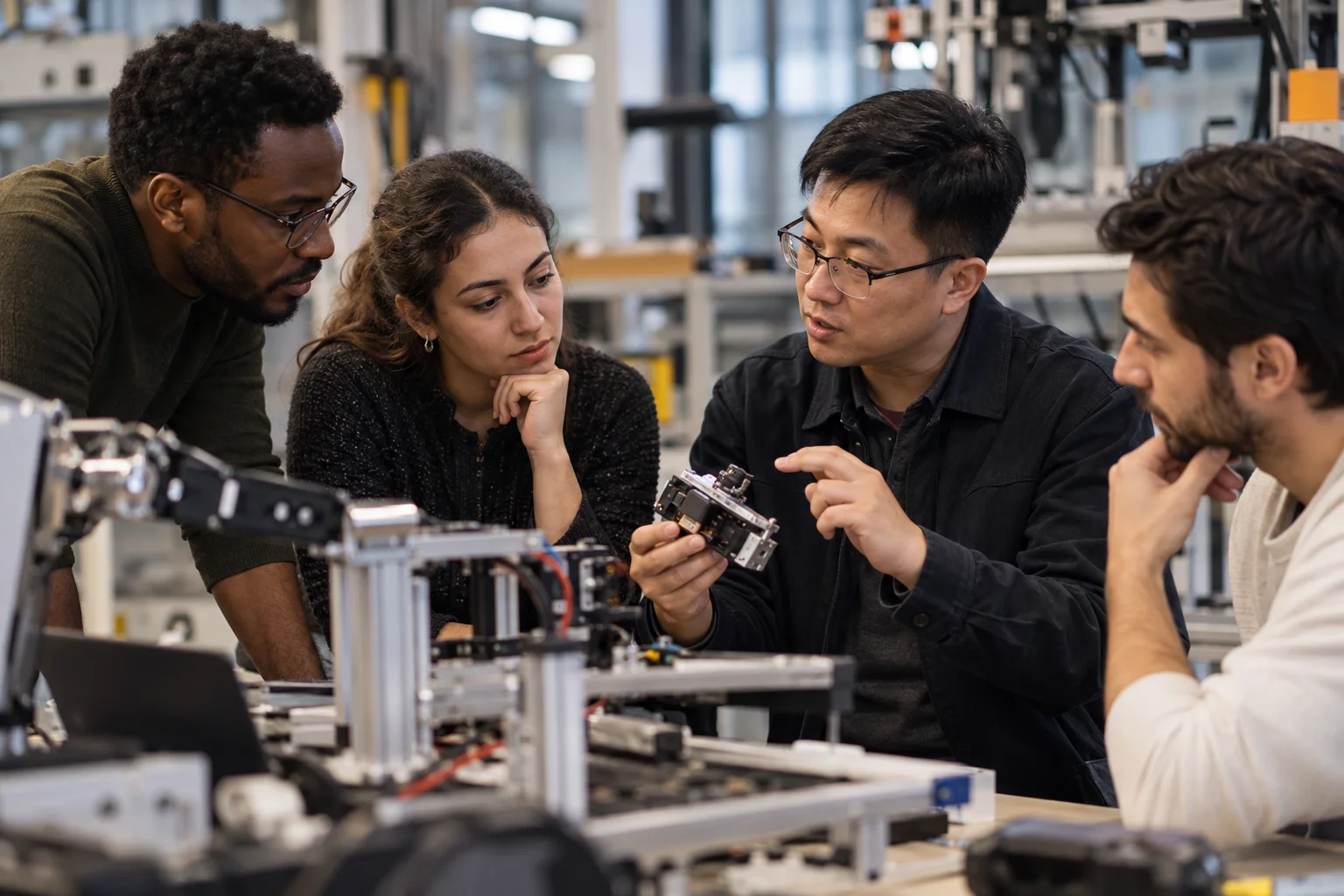
Consider how people interpret information, work with equipment and make decisions around complex technological systems.
Explore how technologies can connect with industry, infrastructure, organisations and wider economic or social activity.


Connect the technologies you encounter with the people, processes and questions that give them meaning.
A meaningful learning experience connects what participants encounter with their own questions, interests and perspectives. Observation and dialogue can open new ways to understand technological change.
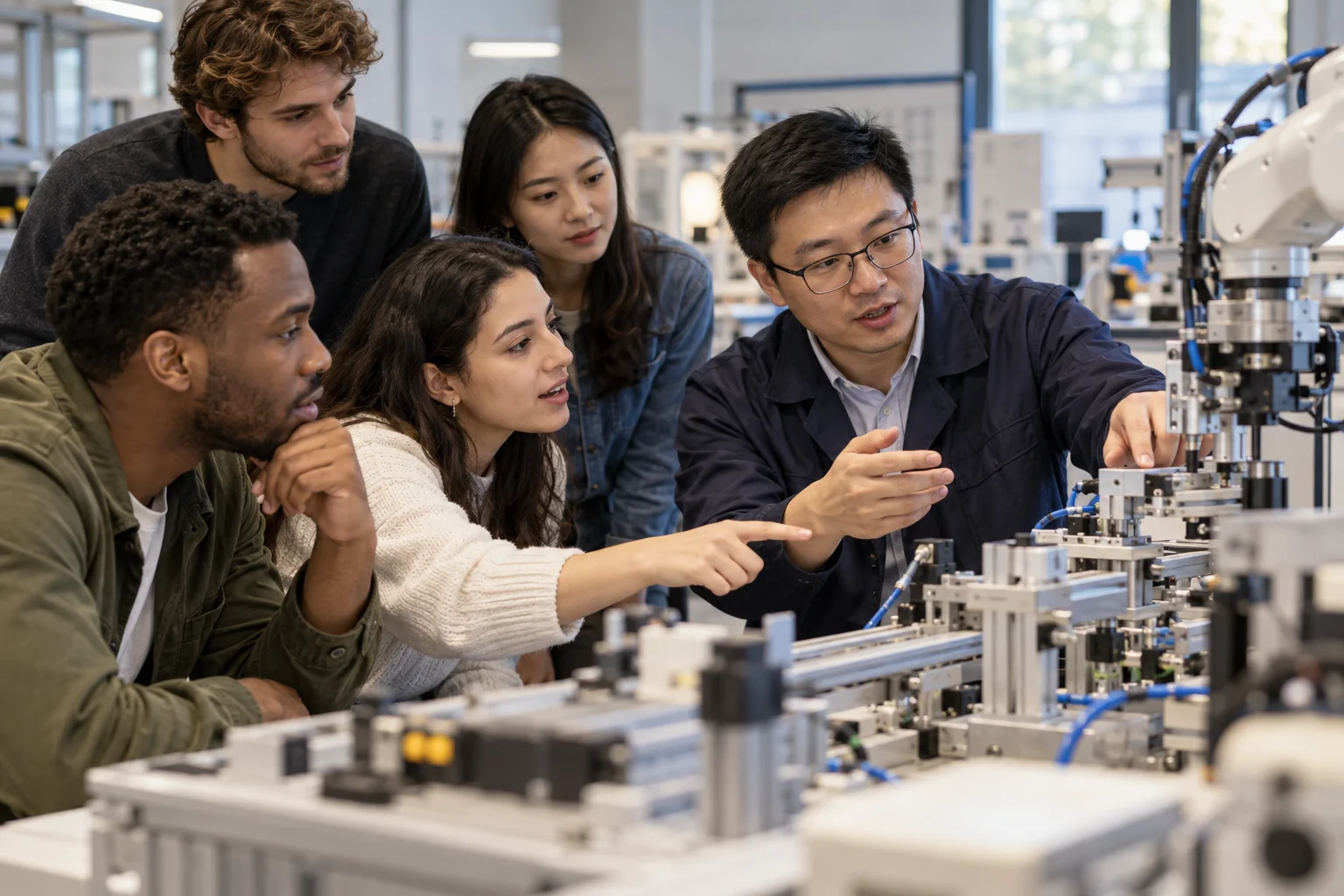

Notice the details, relationships and practical purpose of a system.
Consider how technology influences people, tasks and decisions.
Relate what you encounter to your own interests and questions about the future.
A closer understanding can begin with one better question.
Future Skills Innovation Lab offers a starting point for adults exploring technological change and for organisers considering a China-focused learning experience around relevant technology themes.
For adults interested in exploring artificial intelligence, digital systems, engineering and the changing skills associated with technological development.
Discuss Your InterestsFor coordinators considering a technology-focused learning experience around shared interests, educational objectives or professional perspectives.
Discuss a Group ProgrammeExplore BETU's Study Tour Partnerships pathway for institutional programme planning and cooperation.
Share the subjects that interest you, your participant context and the type of learning experience you have in mind. A suitable direction and practical programme scope can then be explored.
Which AI, digital technology, automation or engineering themes would you like to explore?
Are you exploring individually or planning an organised group experience?
What timing or planning window would be useful?
Which additional interests or practical considerations could shape the discussion?
Find answers to common questions about the learning direction and how to begin an enquiry.
Future Skills Innovation Lab is a China-focused experiential learning direction exploring artificial intelligence, digital systems, engineering and the skills connected with technological change. Relevant learning activities and practical arrangements can be discussed according to each enquiry.
Themes may include artificial intelligence and intelligent systems, digital platforms and connected economies, engineering, automation and the relationship between technology and professional skills. The relevant focus is discussed according to each enquiry.
Future Skills Innovation Lab focuses on technology, engineering systems and changing skills. China Global Pathways explores entrepreneurship, culture, sustainability and global perspectives. You can explore the direction that best fits your interests.
Yes. Individual adults can share their learning interests and enquire about relevant possibilities. Participation options and practical arrangements are discussed through the enquiry process.
Yes. Organised groups can discuss technology-related learning themes, the participant context and their objectives. BETU can then explore a suitable programme direction and proposed scope.
Share the questions, subjects and learning priorities that matter to you or your group. Those interests can guide a discussion about relevant educational themes and experience formats.
Programme scope, timing, participation arrangements and practical requirements can be developed and reviewed through an individual proposal before any agreement is confirmed.

Discover how technology, engineering and real-world learning can open new questions about the skills and possibilities shaping tomorrow.