
Beijing Explore the Unknown

Beijing Explore the Unknown Discuss your plans
Executive Programmes / FutureTech Immersion

See technological change in context.

Explore how artificial intelligence, intelligent systems and emerging technologies are reshaping professional environments, organisational decisions and the way industries operate.

FutureTech Immersion brings a wider professional perspective to the relationship between technology, people and change in contemporary China.

For adult professionals and relevant organised groups.
01 / Perspective

Technology changes systems. People decide what it means.

Technological change is rarely only about a new tool. Its significance emerges through the way organisations adapt, how people work and the decisions that connect innovation with everyday operations.

01

What is changing inside the system?

Look beyond the technology itself to consider the processes, information and practical capabilities it connects.

02

How do organisations respond?

Explore how leadership, teams and operational priorities influence the way technology is understood and applied.

03

What does change mean for your own work?

Connect external developments with the professional questions and decisions most relevant to you.

Adult professionals examine a physical planning model in a contemporary professional environment
The question behind the technology matters.
02 / Technology Themes

Three lenses on technological change.

FutureTech Immersion can explore technology through different professional questions. The focus is not simply what a system can do, but how it connects with people, processes, operations and organisational choices.

These themes provide directions for an enquiry, rather than a fixed itinerary.

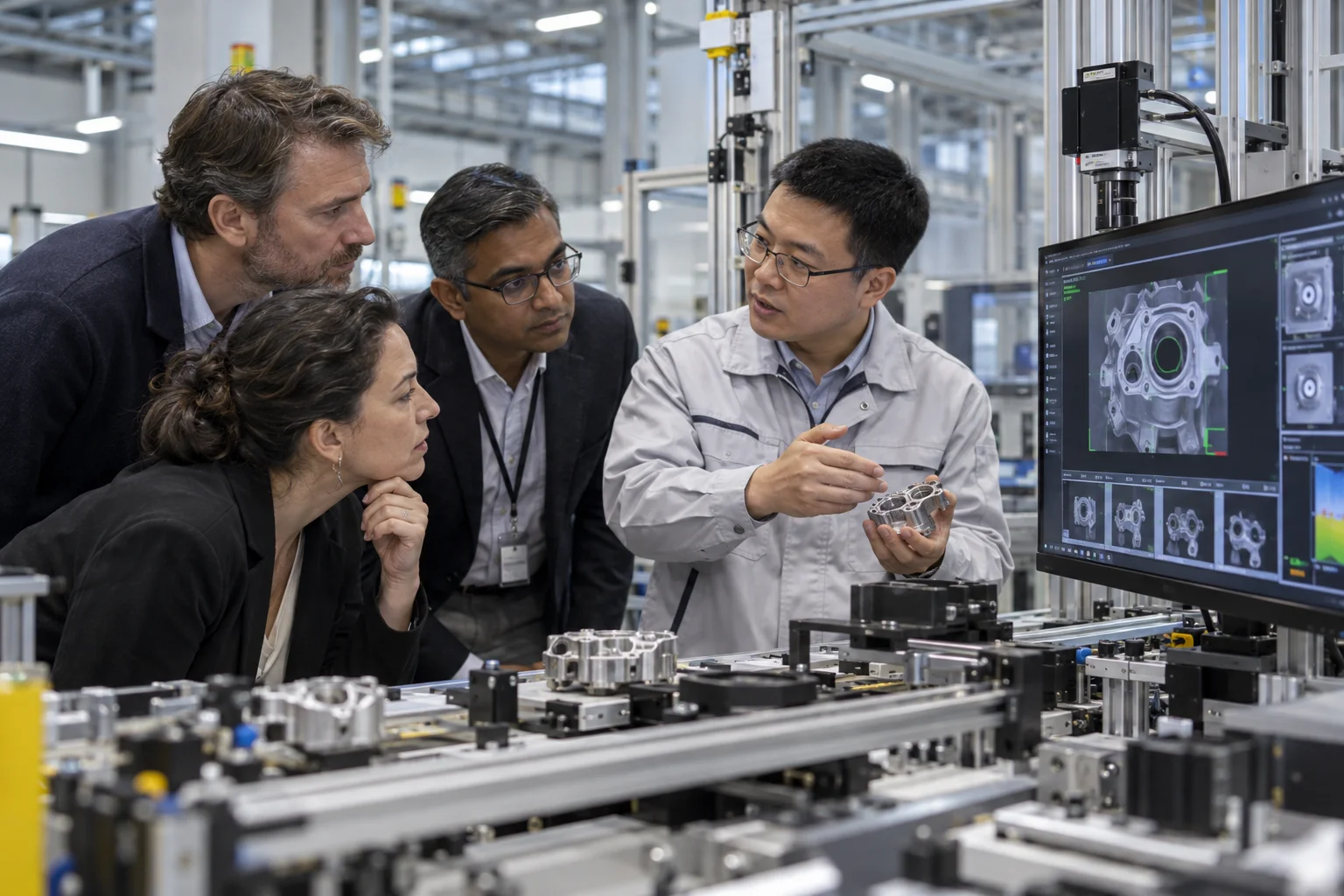
Professionals examine an applied intelligent inspection or decision-support system
01 / Intelligent Systems

AI & Intelligent Systems

Artificial intelligence is changing how information is analysed, how patterns are recognised and how decisions are supported. Explore what these developments mean when they enter real professional and organisational environments.

Information
How data becomes useful to people making decisions.
Judgement
Where human understanding remains essential.
Operations
How intelligent systems interact with established processes.
02 / Applied Automation

Automation, Engineering & Operations

Automation becomes meaningful when it is understood as part of a wider operating environment. Explore how engineering systems, production processes and practical constraints shape the ways organisations respond to technological change.

Systems in motion
Equipment, information and people working together.
Operational choices
Reliability, flexibility and efficiency.
Human expertise
Knowledge and judgement alongside automation.
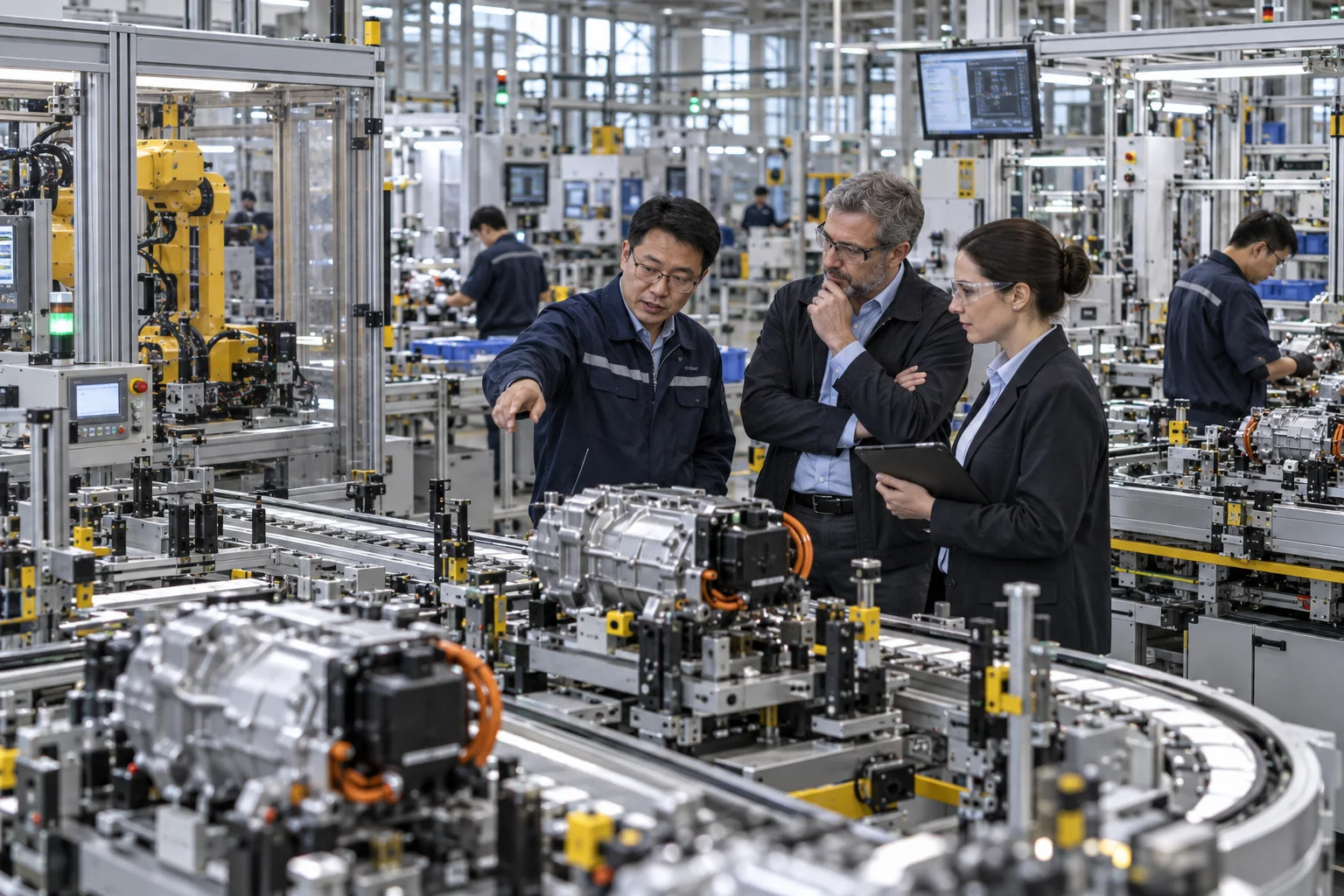
An integrated Chinese industrial automation environment with professionals observing the process
Connected industrial or logistics operations with information and production systems
03 / Connected Operations

Platforms, Data & Connected Systems

Digital platforms connect activities that once operated separately. Explore how information moves between teams, how connected systems support coordination and why organisational understanding matters as much as technical capability.

Connected information
Bringing different sources together.
Coordinated processes
From individual tasks to wider systems.
Informed decisions
Turning information into practical action.

The technology is one part of the story.
Its context gives it meaning.

03 / China Context

Technology makes more sense when you see the system around it.

China's contemporary professional environments provide different perspectives on the relationship between technological change, industrial development, organisational choices and the places in which they unfold.

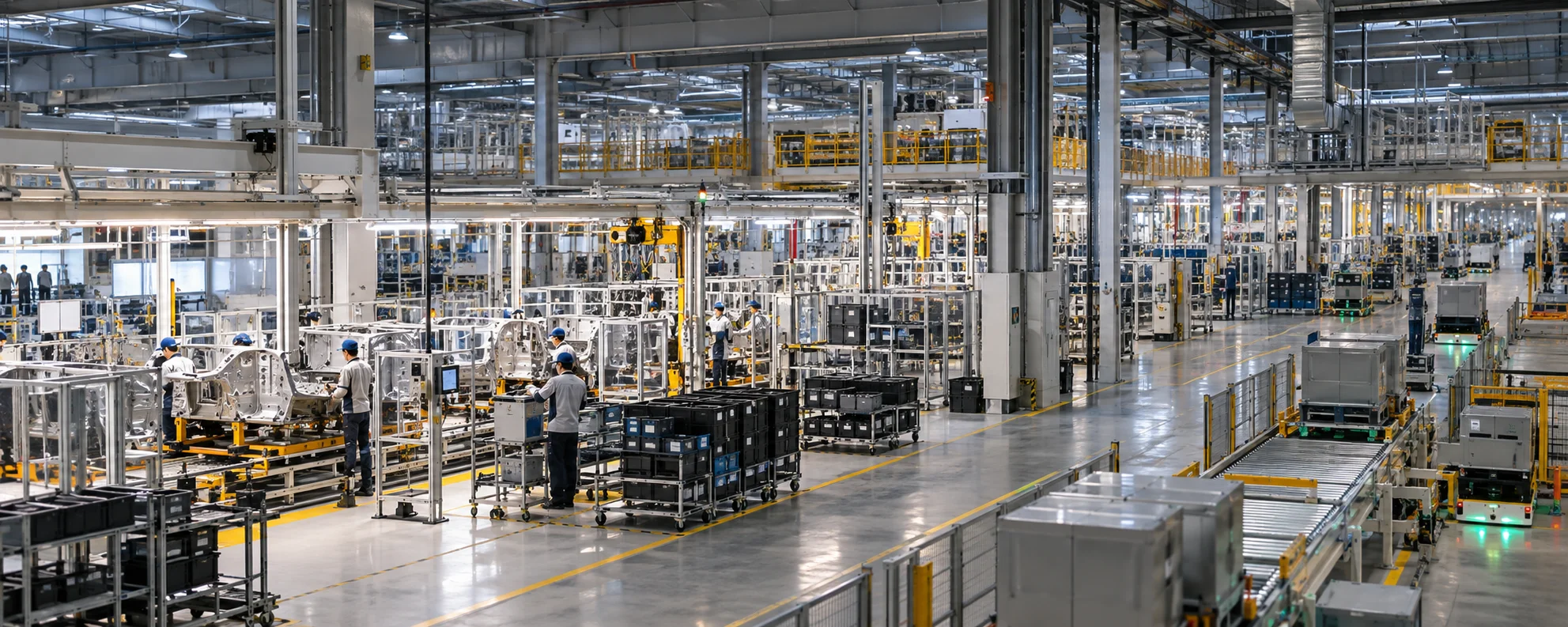
Broad view of connected systems and processes inside a contemporary industrial environment
01

Industry & Systems

Understanding technological development means looking at connected processes, infrastructure, operating requirements and the wider industrial environment.

02

Organisations & Decisions

Technology is adopted, interpreted and adapted through people. Decisions about priorities, capabilities and organisational responsibilities determine how change takes shape.

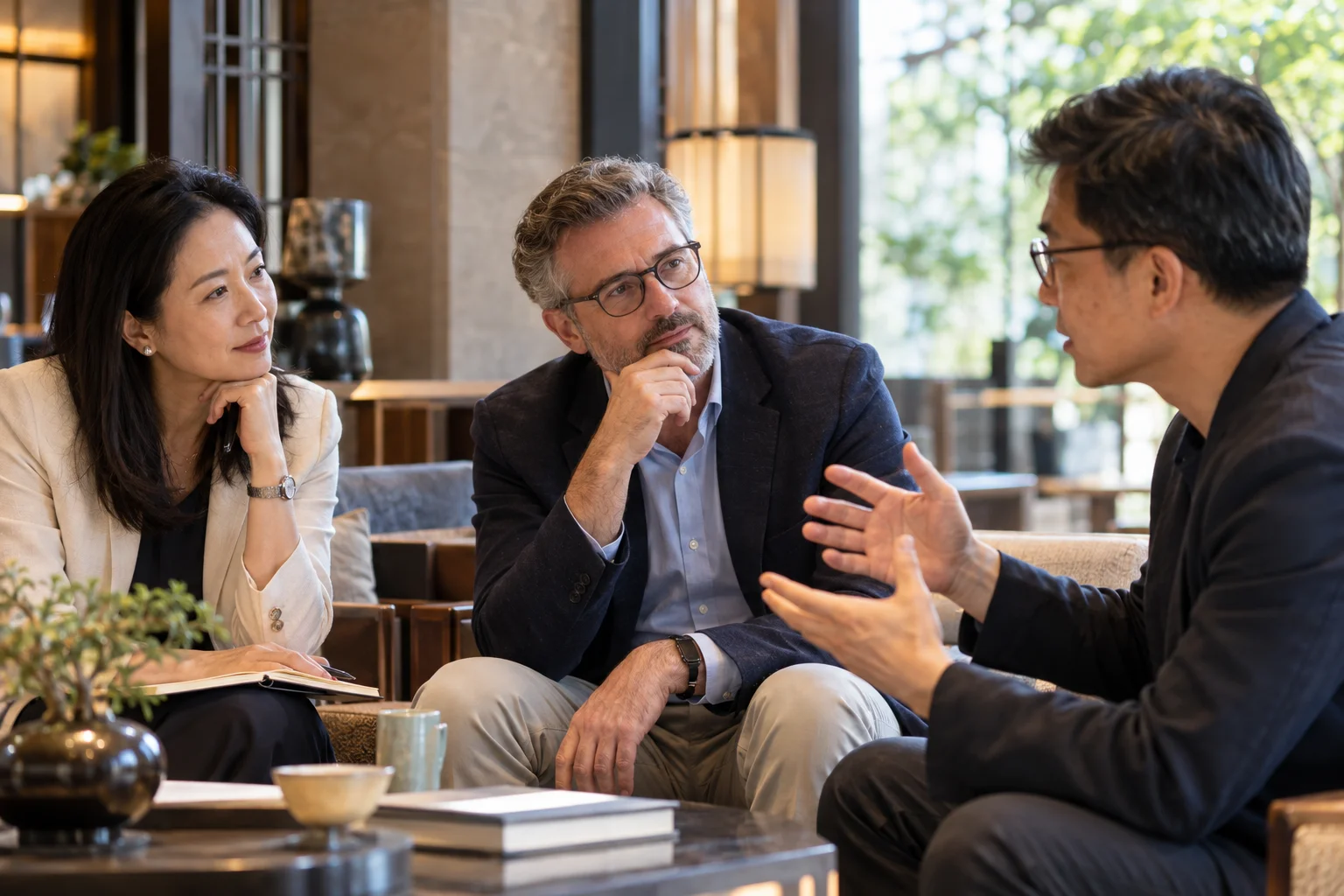
Professional discussion of an operational or organisational process
Contemporary Chinese mixed-use business district with architecture and landscaped public space
03

Place & Development

The character of a place influences how industries develop, how organisations connect and how technology becomes part of wider economic and social change.

A Wider Perspective

Technology is never separate from the world around it.

Looking beyond the immediate demonstration can open a richer conversation about organisations, people and change.

04 / Learning Through Experience

The value is not only in what you see, but what you take from it.

Professional learning becomes more meaningful when observation leads to informed questions, discussion and reflection. FutureTech Immersion is designed around making connections between practical examples and wider professional perspectives.

Adult professionals and a specialist examine an applied technology or operational demonstration
Adult professionals reflect together and discuss their observations
01 /

Observe

Examine how a technology or process functions within a practical environment, including its operational context.

02 /

Discuss

Compare observations, ask questions and consider different professional interpretations.

03 /

Reflect

Relate the experience to the organisational priorities, opportunities and decisions that matter in your own work.

A broader understanding begins with more useful questions.
05 / Participants

Different professional interests. A shared opportunity to explore.

FutureTech Immersion is open to enquiries from adult professionals pursuing their own questions and from organisations exploring a shared professional learning direction.

Explore your own professional questions.

For professionals interested in artificial intelligence, operational change, connected systems or the wider implications of technology, an enquiry begins with the questions most relevant to their experience and interests.

Discuss Your Interests

Explore a shared professional direction.

Professional teams, associations and relevant organisations can enquire about technology-focused learning that connects with their collective priorities, sector context and desired areas of exploration.

Discuss a Group Enquiry

Planning on behalf of an organisation?

For broader group programme design and coordination, explore our Corporate & Executive Groups pathway.

Explore Corporate & Executive Groups
06 / Your Brief

Start with the technology questions that matter to you.

Tell us what you would like to understand, who may be involved and which professional priorities shape your interest. An initial enquiry can help identify the direction of a possible FutureTech Immersion experience.

01 / Technology Interests

Which developments, systems or technology themes are most relevant to your questions?

02 / Participant Context

Are you enquiring individually or on behalf of a professional group or organisation?

03 / Preferred Period

Is there a time period you would like us to consider when discussing possibilities?

04 / Professional Priorities

What wider operational, organisational or business questions would you like to explore?

Potential themes, format and practical arrangements would be discussed in response to the enquiry.

07 / Frequently Asked Questions

Questions worth asking before you begin.

FutureTech Immersion starts with your interests and professional context. These answers explain how to approach an initial enquiry.

01.What is FutureTech Immersion?

FutureTech Immersion is a professional-learning direction focused on understanding technological change in practical, organisational and wider Chinese contexts. It can explore themes such as intelligent systems, automation and connected operations through questions relevant to adult professionals. The specific focus and potential arrangements would be discussed before any programme proposal is confirmed.

02.Is FutureTech Immersion suitable for individual professionals?

Individual adult professionals are welcome to enquire about their interests and preferred focus. An enquiry does not mean a scheduled individual departure or confirmed place is available. Any possible format and arrangements would first need to be discussed.

03.Can an organisation enquire on behalf of a group?

Yes. Professional teams, associations and other relevant organisations may enquire about shared technology-learning interests. For broader organisational commissioning and group coordination, the Corporate & Executive Groups pathway provides additional context.

04.Which technology themes could be explored?

Possible discussion themes include AI and intelligent systems, automation and engineering operations, and connected platforms or data-enabled processes. The scope would depend on your professional questions and what can be practically arranged.

05.Are company or industrial visits included?

No specific company, factory, host or site visit is guaranteed by this page. Relevant experience formats may be explored during an enquiry, with any actual access or arrangements subject to separate feasibility and confirmation.

06.Are programme dates, locations and duration already fixed?

This page does not announce fixed departure dates, programme lengths or locations. Share your preferred period and interests so that possible options and practical requirements can be considered.

07.How do we begin a FutureTech Immersion enquiry?

Start by outlining your technology interests, whether you are enquiring as an individual or for a group, your preferred period and any wider professional priorities. Use the contact pathway to begin a conversation.

Have a different question? Discuss Your Interests
Continue the Conversation

See what technological change could mean from a different perspective.

Explore how FutureTech Immersion might connect with the professional questions, interests and organisational context that matter to you.

Scroll to Top